In-Home Senior Care vs Assisted Living: End-of-Life and Hospice Considerations
Business Name: FootPrints Home Care
Address: 4811 Hardware Dr NE d1, Albuquerque, NM 87109
Phone: (505) 828-3918
FootPrints Home Care
FootPrints Home Care offers in-home senior care including assistance with activities of daily living, meal preparation and light housekeeping, companion care and more. We offer a no-charge in-home assessment to design care for the client to age in place. FootPrints offers senior home care in the greater Albuquerque region as well as the Santa Fe/Los Alamos area.
4811 Hardware Dr NE d1, Albuquerque, NM 87109
Business Hours
End-of-life planning has a way of compressing huge concerns into everyday moments. A daughter standing at her father's sink, choosing whether to bring in additional help at home. A partner driving back from a center tour, replaying promises made years ago. The choice in between in-home senior care and assisted living, specifically when hospice enters into the equation, is more than a care setting. It is a declaration about comfort, self-respect, and how a household wants to spend its energy in a tender season of life.
I have actually sat with households at cooking area tables and in center meeting room. I have actually watched what works perfectly and what fails. There is nobody right response, however there is an ideal fit for each person. The goal here is to assist you see the practical differences and the subtler human ramifications so that whichever path you select, you can move into it with confidence.
What "end-of-life care" really suggests in practice
End-of-life care is a mix of sign control, individual assistance, and psychological and spiritual existence. Hospice is frequently part of it, though not constantly from day one. Hospice concentrates on comfort for those with a diagnosis determined in months instead of years, and it often includes a nurse case manager, a social employee, pastor services, and access to devices like a healthcare facility bed or oxygen concentrator. Hospice does not replace hands-on care. Somebody still needs to aid with bathing, toileting, transfers, and meals, and those hours build up quickly.

That gap between medical assistance and everyday living is where at home senior care and assisted living diverge. At home senior care brings the assistance into the home. Assisted living offers a residential setting with personnel and services integrated in. When hospice is included, it layers on top of either arrangement.
The home advantage: why at home senior care works so well at the end
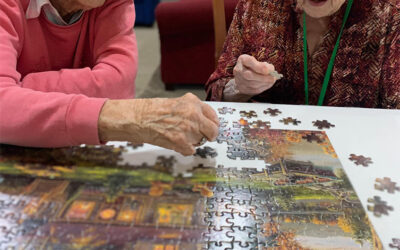
Families typically inform me the home setting allows the person to stay themselves for longer. The chair is in the best corner. The canine pads into the room when the house silences during the night. Pictures on the wall can set off stories that soften tough early mornings. In-home care, when done attentively, preserves autonomy and familiar rhythm even as a senior caretaker takes on more of the everyday load.
Hospice integrates perfectly with elderly home care. The hospice nurse comes weekly, often more, to adjust comfort medications and repair signs. The hospice assistant might offer brief bathing check outs. But for daily connection, you depend on a home care service. The senior caretaker learns how your mother likes her tea, the music your father prefers before a nap, and the sequence that makes a safe transfer from bed to chair. That relationship matters at the end of life, when anxiety and discomfort can spike if routines are disrupted.
There is likewise flexibility. If nights become harder, you can add over night in-home look after a couple of days or weeks. If appetite wanes, caregivers pivot to smaller, more regular meals, or simply a preferred soup heated at odd hours. A company knowledgeable about end-of-life care knows how to modulate staffing and keep the plan simple.
Still, home is not always simpler. Households underestimate the physical needs of regular repositioning, incontinence care, or handling agitation at 2 a.m. Even with a strong group, the house becomes a work environment. Products arrive, the doorbell rings regularly, and privacy changes shape. Some families thrive in that togetherness. Others feel exposed and exhausted. Both experiences are normal.
Assisted living near completion of life: what it can and can not do
Assisted living is constructed for individuals who require help with day-to-day activities but do not require constant scientific care. Private apartment or condos, shared dining, and activities create neighborhood. For someone who delights in being around others and values having personnel nearby, it can be an excellent fit. Many assisted living neighborhoods accept residents on hospice and will deal with the hospice group on comfort plans.
The benefit is infrastructure. You do not have to rush for equipment or find out where to store wound products. Personnel handle routine support, and the building is developed to minimize fall risk. Households can visit without managing the logistics of caretaker schedules and shift handoffs. For some, that permits more significant time together.
Limits exist however. Staffing ratios vary commonly. If your loved one unexpectedly needs continuous individually attention, centers might need you to employ a private senior caregiver on top of their services, essentially layering elderly home care inside assisted living. Late-stage dementia habits, complex injury care, or heavy transfer requirements can surpass what a community can offer easily. Sometimes a relocate to a memory care system or a knowledgeable nursing center becomes essential, and each transition brings its own stress.
Policies also vary about awake overnight staff, usage of bed rails, or medication schedules. A household that wants a really particular regimen may feel constrained by center procedures. In a pinch, centers must focus on safety throughout numerous residents, which can mean delays in nonurgent requests.
Hospice in both settings: how it in fact plays out
Hospice is the thread that connects these options together. In both in-home care and assisted living, the hospice group supplies clinical oversight, comfort medication management, and psychological assistance. In-home, hospice tends to feel extremely personal. The nurse remains in your living room, watching how your dad breathes after a brief walk to the bathroom, noticing the pressure points on the brand-new mattress. Families typically end up being competent very rapidly under a nurse's calm instruction.
In assisted living, hospice frequently coordinates carefully with facility staff. The nurse checks in with caretakers who currently know the resident's patterns. Communication ends up being the hinge. If a facility has strong leadership and a culture of partnership, sign changes get flagged early, and things go efficiently. If not, you may discover yourself repeating updates and advocating more. I have seen both, sometimes within the exact same chain of communities.
A typical misconception is the number of hours hospice provides. Even in minutes of crisis, hospice is consultative instead of custodial. Short-term constant care exists for unmanaged symptoms, however it is short-lived and not guaranteed as needed. Families still need a prepare for hands-on assistance. That is where either a home care service or the assisted living staff, possibly supplemented by private caregivers, fills the gap.
Cost truths you really feel
Budgets shape choices as much as choices. When you cost in-home senior care, think in hours. Per hour rates differ by region, often in the variety of 25 to 40 dollars per hour for agency-based care, often greater in city markets. Twelve hours a day, seven days a week, can quickly reach 6,000 to 10,000 dollars per month. Round-the-clock care with awake overnights can double that. The benefit is paying just for what you use, with the capability to scale down if symptoms support or family can cover particular shifts.
Assisted living normally charges a base lease plus care levels. You might see a base of 4,000 to 6,500 dollars monthly in many markets, then include care costs as needs increase. End-of-life frequently presses a resident into higher tiers. Medication management, transfer support, and incontinence care can add hundreds to thousands monthly. If the center requires additional private-duty caregivers for one-on-one support, your expenses may approach or surpass the in-home model.
Hospice is generally covered by Medicare, Medicaid, or private insurance coverage, consisting of the medications and devices associated to the terminal medical diagnosis. It does not cover space and board in assisted living or continuous individual care hours at home. Long-term care insurance coverage might subsidize in-home care or assisted living fees depending upon the policy. Veterans benefits can assist also. I encourage families to ask for a composed expense projection from both the home care agency and the facility, including a quote for most likely add-ons as requirements evolve.
The human side: autonomy, identity, and family stamina
Numbers are one thread. The human side is another. I have actually viewed a proud retired engineer stay at home with a modest care group, material to tinker at a workbench in between hospice nurse gos to, while his spouse took a day-to-day afternoon break. I have also enjoyed a social butterfly who did better after moving to assisted living. She sat near the dining room window each early morning, greeting the very same team member by name, and was at peace. What mattered most to each of them formed the setting.
Families need to consider stamina. Caregiving throughout hospice is not a marathon in the abstract. It is a rough path with unforeseeable weather condition. Some families want their energy to approach direct care. Others want to conserve energy for conversation and touch, contracting out the physical tasks. There is no moral weight to either course. Love looks like lots of things at the end of life.
It helps to ask, what does a "excellent day" appear like in the time we have? If the answer involves peaceful early mornings, a favorite blanket, and the family pet, in-home care typically fits. If it includes having personnel close by, meals served naturally, and fewer logistics for the adult kids, assisted dealing with hospice can provide that steadiness.
Safety and sign control: where the rubber fulfills the road
Both settings can be safe, however security is an active practice at the end of life. Shortness of breath, discomfort spikes, or delirium can emerge suddenly. In home care, the strategy normally consists of a noticeable folder with the https://footprintshomecare.com/senior-home-care/respite-care/ hospice nurse's number, prefilled convenience medications in a lockbox, and clear instructions taped inside a cabinet. In assisted living, the medication pass schedule, personnel action time, and familiarity with hospice procedures make a difference.
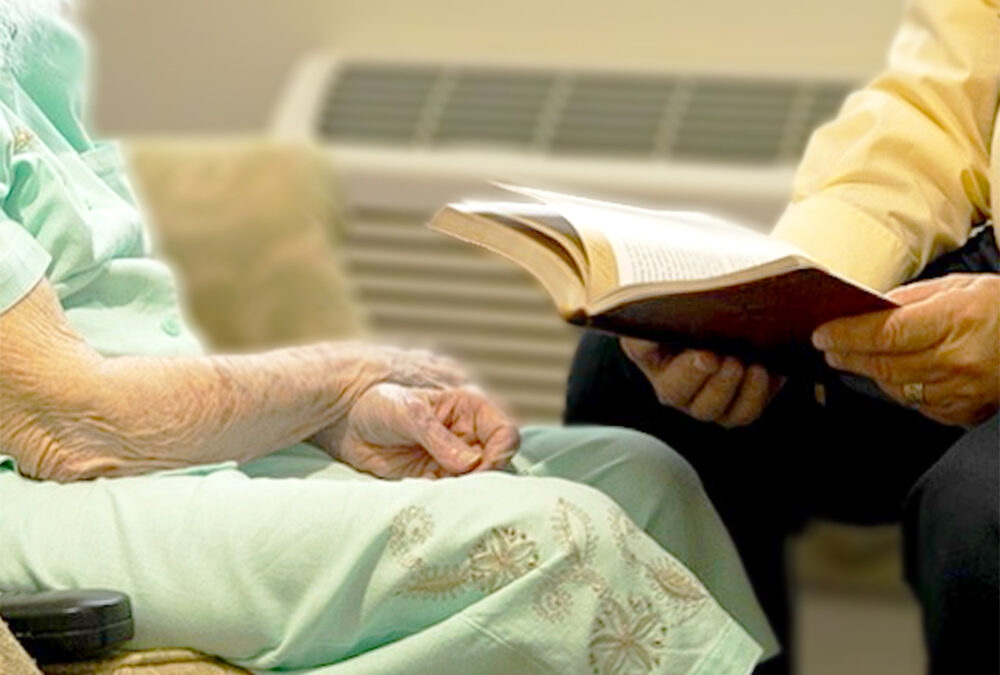
Pain control depends upon interaction. Caregivers should recognize subtle signs: a grimace throughout a turn, a refusal to eat, a brand-new uneasyness that indicates pain. In-home caretakers typically have the benefit of calm observation. Facility caretakers might manage completing priorities, so household presence or frequent check-ins with management help. Either way, ask the hospice nurse to teach everyone the very same scales for assessing discomfort and agitation. Consistency causes much faster modifications and less crises.
The decision sets off no one likes to talk about
The best choice can change as the illness develops. There are moments when the present setting becomes unsafe or unsustainable. In home care, sets off include repeated falls in spite of devices and training, agitation that risks injury to the caregiver, or caregiver burnout without any relief in sight. In assisted living, sets off consist of care needs that surpass staffing, duplicated hold-ups in response to call bells, or policies that conflict with comfort-focused care.
An excellent test is to review the last week. How typically did symptoms go beyond the strategy? How many times did you believe, we can not keep doing it this way? If that response feels heavy two days out of 7, it is time to modify staffing or the setting. Moving near completion of life is hard, but in some cases a prompt relocation prevents an even worse crisis later.
Building a strong team, regardless of setting
People often underestimate just how much relationship-building matters. The very best results I have actually seen come from a securely woven group: family, one or two constant caregivers from the home care service or facility staff who know the individual well, and a hospice nurse who communicates plainly. It is not about titles so much as common understanding.
Ask the hospice nurse to run a brief huddle when a change in condition happens. In 10 minutes, agree on what convenience appears like today, which medications are first-line, and what to do if signs intensify over night. In home care, publish the strategy where every senior caregiver can see it. In assisted living, ask that the strategy be positioned in the resident's chart and reviewed at the shift modification. Small coordination habits avoid big problems.
What families can do this week to move forward
Here is a short, useful sequence that tends to produce clarity without unnecessary delay.
- Write down your leading 3 top priorities for the next 60 days, in plain language. Comfort, less disruptions at night, more time for discussion, or staying near a certain relative are all valid.
- Ask your physician if hospice is proper now, and if so, which hospice agencies they trust for responsive symptom management.
- If favoring at home senior care, interview two companies. Ask about caretaker continuity, end-of-life experience, and how quickly they can add or get rid of hours. Ask for a sample weekly schedule.
- If leaning toward assisted living, tour with hospice in mind. Ask about awake over night staffing, call light action times, and whether individually personal responsibility is ever required. Meet the director of nursing, not simply the sales advisor.
- Assemble a "convenience basket" no matter setting: soft washcloths, favorite lotion, a basic Bluetooth speaker for music, a small note pad to track signs, and a phone battery charger with a long cord for the household chair.
Cultural and spiritual factors to consider that frequently get overlooked
End-of-life care is not just medical or logistical. Worths form whatever from outfit to touch. In some households, modesty and gender of the caretaker matter deeply. In others, prayer routines or particular foods offer convenience. Tell your home care service or the assisted living director what matters. Do not presume they know. A center that permits versatile going to hours or a caretaker who hums familiar hymns can change a long night.
If you are using hospice, ask to satisfy the chaplain early, even if you are not religious. Excellent hospice chaplains are experienced at listening for sources of meaning. They can help resolve remaining concerns or direct a brief legacy activity, like tape-recording stories for grandchildren or arranging pictures into a simple album that ends up being precious immediately.
How to handle the hard days
Expect variability. A day of smiles might be followed by a day of irritability. That is the disease, not failure on your part. Keep the environment calm: soft lighting, very little background television, and familiar aromas. Little satisfaction carry more weight now. A warm towel after a sponge bath can feel glamorous. A couple of bites of mango can be a victory. Release best meals, perfectly on schedule.
When agitation rises, breathe together and lower stimulation. Prevent fast questions. Speak simply put, calm sentences. If discomfort is thought, do not await an ideal score. Call hospice or follow the comfort med plan. Most importantly, do not do this alone. Even a two-hour break can reset a caregiver's nervous system. In home care, ask the company for respite coverage. In assisted living, plan checking out rotations that consist of time off for main family caregivers.
Red flags and green lights
You will sleep much better if you know what to look for. Red flags include unrelieved pain after following the current plan, new confusion accompanied by fever, risky transfers even with 2 individuals helping, or constant hold-up in staff action that leads to distress. Green lights consist of stable comfort between visits, a sense that the individual looks more tranquil even as intake declines, and personnel or caretakers who anticipate needs instead of merely react.
A hospice nurse is your partner in deciding whether adjustments or a move are needed. Their task is not to keep you in a specific setting. It is to keep the person comfy, wherever they are.
When children and grandchildren belong to the picture
Young family members can be an unforeseen source of grace. Give them simple, clear roles that match their age and temperament. A ten-year-old can pick soft music or check out a short poem. A teen can sit quietly, hand lotion at the ready, or take the family dog for a longer walk. Prepare them for modifications in look and energy. Children cope best when they feel their existence assists and when adults design constant affection.
In both in-home care and assisted living, make area for personal household minutes. Ask personnel or caretakers to march for a couple of minutes when needed. The last weeks frequently bring chances to say things aloud that matter: thank you, I forgive you, please forgive me, I enjoy you, bye-bye. Plan for personal privacy without shutting out support.
A note on the last 48 hours
Those who have actually been through this will inform you the last days have a rhythm of their own. Breathing changes, cravings fades, and wakeful time reduces. The work shifts from doing to being. Whether at home with an at home senior care group or in an assisted living apartment or condo, streamline everything. Keep just the most crucial people and comforts close. Ask hospice to change sees as needed. Accept help with jobs that others can do, so you can do the couple of things only you can do.
I have actually seen a son hold his father's hand in a small den as a caretaker brewed tea down the hall, quietly folding laundry. I have enjoyed a better half rest her head near her hubby's shoulder in an assisted living-room while the evening nurse dimmed the lights and drew the tones with practiced inflammation. Both were great endings.
Choosing with steadiness
You do not owe anybody a best choice. You owe your loved one your presence and your best judgment with the info you have. In-home senior care shines when familiarity, control of the environment, and intimate routines matter most, and when a household can supplement with either time or budget. Assisted dealing with hospice shines when security, immediate personnel support, and simplified logistics are the priorities, and the resident is comforted by a foreseeable setting with professional aid close by.
Whatever you select, develop relationships with individuals supplying care. Ask questions early and often. Keep the strategy in composing and examine it as requirements alter. Use hospice not simply for medications, but for mentor, peace of mind, and counsel.
End-of-life care is an act of workmanship as much as empathy. With a great hospice, a trusted home care service or a responsive assisted living group, and a household lined up on what matters, you can create a quiet, dignified course through the last stretch. That is the heart of senior care at its best: not just adding days to life, however including life to the days that remain.
FootPrints Home Care is a Home Care Agency
FootPrints Home Care provides In-Home Care Services
FootPrints Home Care serves Seniors and Adults Requiring Assistance
FootPrints Home Care offers Companionship Care
FootPrints Home Care offers Personal Care Support
FootPrints Home Care provides In-Home Alzheimer’s and Dementia Care
FootPrints Home Care focuses on Maintaining Client Independence at Home
FootPrints Home Care employs Professional Caregivers
FootPrints Home Care operates in Albuquerque, NM
FootPrints Home Care prioritizes Customized Care Plans for Each Client
FootPrints Home Care provides 24-Hour In-Home Support
FootPrints Home Care assists with Activities of Daily Living (ADLs)
FootPrints Home Care supports Medication Reminders and Monitoring
FootPrints Home Care delivers Respite Care for Family Caregivers
FootPrints Home Care ensures Safety and Comfort Within the Home
FootPrints Home Care coordinates with Family Members and Healthcare Providers
FootPrints Home Care offers Housekeeping and Homemaker Services
FootPrints Home Care specializes in Non-Medical Care for Aging Adults
FootPrints Home Care maintains Flexible Scheduling and Care Plan Options
FootPrints Home Care is guided by Faith-Based Principles of Compassion and Service
FootPrints Home Care has a phone number of (505) 828-3918
FootPrints Home Care has an address of 4811 Hardware Dr NE d1, Albuquerque, NM 87109
FootPrints Home Care has a website https://footprintshomecare.com/
FootPrints Home Care has Google Maps listing https://maps.app.goo.gl/QobiEduAt9WFiA4e6
FootPrints Home Care has Facebook page https://www.facebook.com/FootPrintsHomeCare/
FootPrints Home Care has Instagram https://www.instagram.com/footprintshomecare/
FootPrints Home Care has LinkedIn https://www.linkedin.com/company/footprints-home-care
FootPrints Home Care won Top Work Places 2023-2024
FootPrints Home Care earned Best of Home Care 2025
FootPrints Home Care won Best Places to Work 2019
People Also Ask about FootPrints Home Care
What services does FootPrints Home Care provide?
FootPrints Home Care offers non-medical, in-home support for seniors and adults who wish to remain independent at home. Services include companionship, personal care, mobility assistance, housekeeping, meal preparation, respite care, dementia care, and help with activities of daily living (ADLs). Care plans are personalized to match each client’s needs, preferences, and daily routines.
How does FootPrints Home Care create personalized care plans?
Each care plan begins with a free in-home assessment, where FootPrints Home Care evaluates the client’s physical needs, home environment, routines, and family goals. From there, a customized plan is created covering daily tasks, safety considerations, caregiver scheduling, and long-term wellness needs. Plans are reviewed regularly and adjusted as care needs change.
Are your caregivers trained and background-checked?
Yes. All FootPrints Home Care caregivers undergo extensive background checks, reference verification, and professional screening before being hired. Caregivers are trained in senior support, dementia care techniques, communication, safety practices, and hands-on care. Ongoing training ensures that clients receive safe, compassionate, and professional support.
Can FootPrints Home Care provide care for clients with Alzheimer’s or dementia?
Absolutely. FootPrints Home Care offers specialized Alzheimer’s and dementia care designed to support cognitive changes, reduce anxiety, maintain routines, and create a safe home environment. Caregivers are trained in memory-care best practices, redirection techniques, communication strategies, and behavior support.
What areas does FootPrints Home Care serve?
FootPrints Home Care proudly serves Albuquerque New Mexico and surrounding communities, offering dependable, local in-home care to seniors and adults in need of extra daily support. If you’re unsure whether your home is within the service area, FootPrints Home Care can confirm coverage and help arrange the right care solution.
Where is FootPrints Home Care located?
FootPrints Home Care is conveniently located at 4811 Hardware Dr NE d1, Albuquerque, NM 87109. You can easily find directions on Google Maps or call at (505) 828-3918 24-hoursa day, Monday through Sunday
How can I contact FootPrints Home Care?
You can contact FootPrints Home Care by phone at: (505) 828-3918, visit their website at https://footprintshomecare.com, or connect on social media via Facebook, Instagram & LinkedIn
The Albuquerque Museum offers a calm, engaging environment where seniors can enjoy art and history — a great cultural outing for families using in-home care services.